The short answer

Starting prices and launch windows from our own published pricing, not an industry survey.

At Chu Ventures, a mobile app's first version starts at $15,000 and most launch in 6 to 10 weeks, for iPhone and Android from one codebase. A business website starts at $4,000 and launches in 2 to 4 weeks. Anything bigger, such as a marketplace, a SaaS product with billing or an app that moves money, is quoted after a scoping call.

Those are starting points, not averages. The rest of this guide explains what pushes a project above them, where the weeks go, and how to keep your first version close to the starting price. The examples are our own products, because those are the costs we know first-hand.

You will not find industry averages or survey numbers here. App development cost depends on the scope, and a number without a scope behind it does not help you plan a budget.
What you get for the starting price

The price comes from a written list of screens, user roles and integrations, so you know the number before we start.

First version (MVP)
From $15,000
Time to launch
6-10 weeks for most first versions
Platforms
iOS and Android, from one React Native and Expo codebase
Business website
From $4,000, launched in 2-4 weeks
Larger apps
Quoted after a scoping call

If the list grows during the build, the price and the date are updated together through a change order. You should never find out what an app costs at the end of the project.

What drives the cost of building an app

Eight things move the number. Most of them are decisions you can make before anyone writes code.

  • Scope: screens and user roles

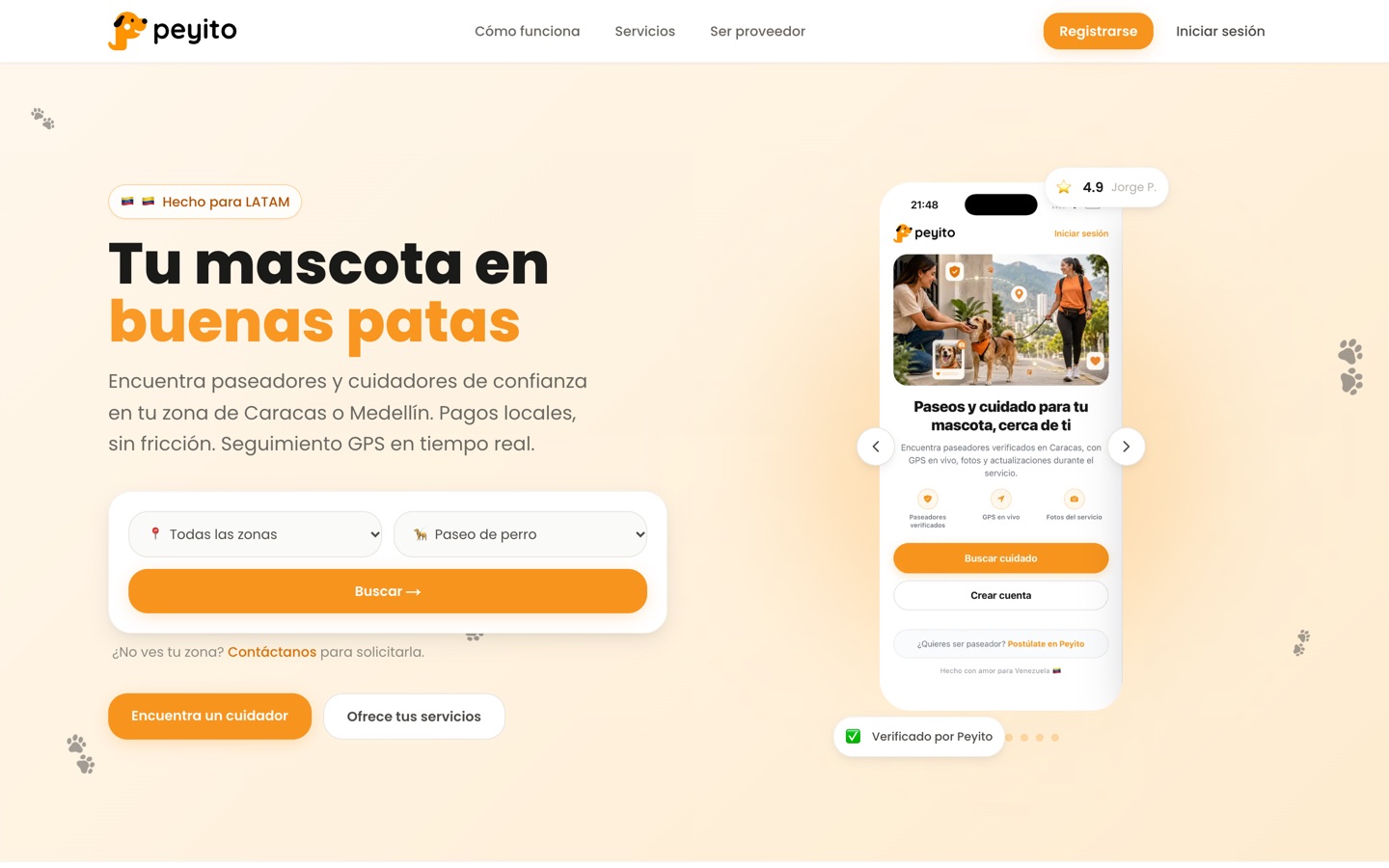
    Every type of user needs its own screens, permissions and edge cases. An app for one kind of customer is a different project from a marketplace with buyers, sellers and an admin approving both. Peyito, our pet care marketplace, has owners, walkers and sitters, and an admin who approves each provider before they can take bookings, so it needs an app for both sides and an admin on top of the backend.

  • Platforms

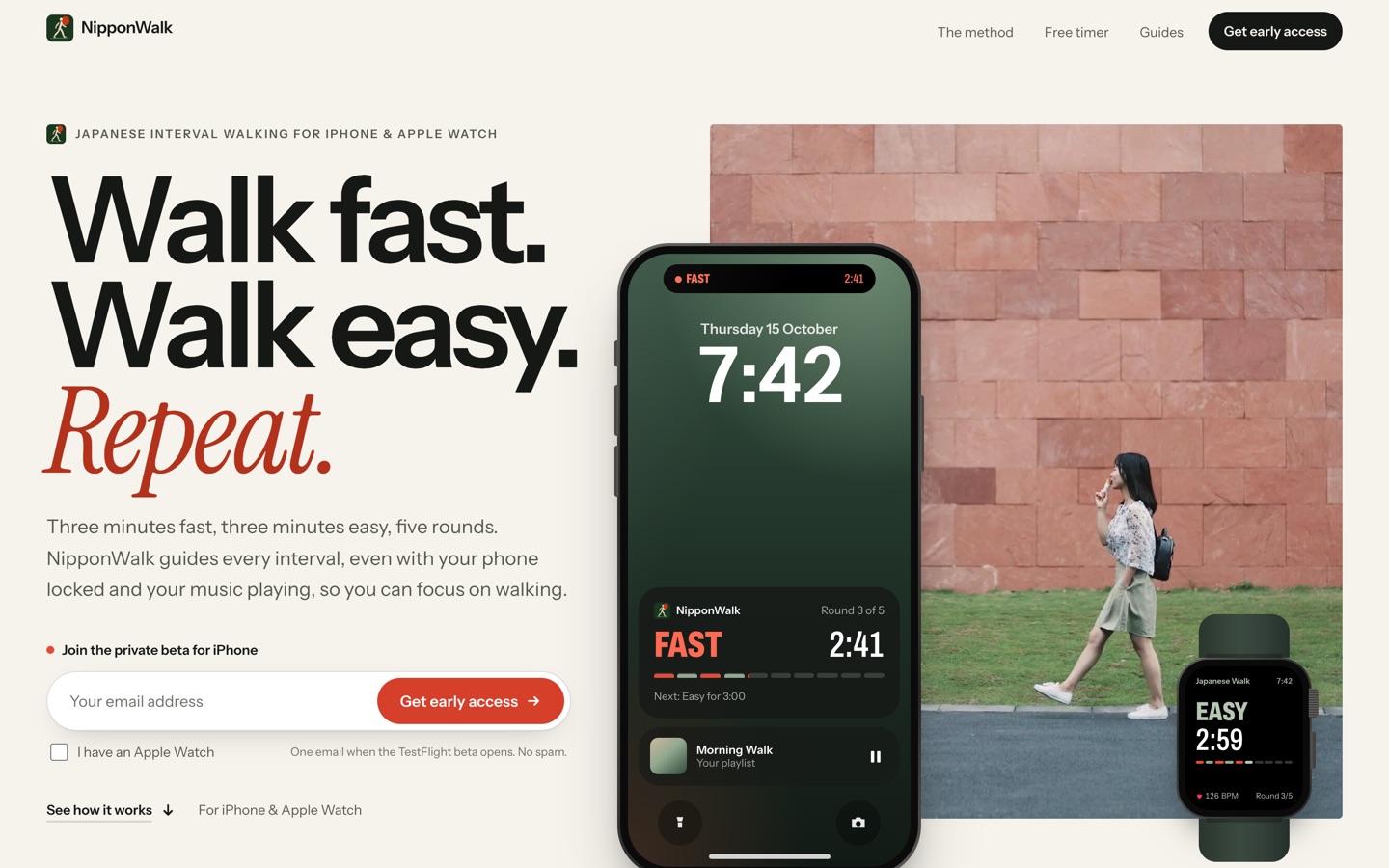
    We build most first versions with React Native and Expo, so iPhone and Android ship from one codebase: one build to scope, test and maintain instead of two. Native Swift makes sense when the app leans on the iPhone itself. NipponWalk keeps its voice cues on time with the screen locked and music playing, and saves each walk to Apple Health, so it is built in Swift.

  • Payments

    Charging a card is a well-known path. Moving money on local rails is not. VEXPay connects Pago Móvil, débito inmediato and VPOS card capture in Venezuela, PSE, Nequi and Bre-B in Colombia, and USDT, and each of those rails is its own integration with its own provider. If your app takes money, which methods and which countries is one of the biggest questions in the scope.

  • Real-time features

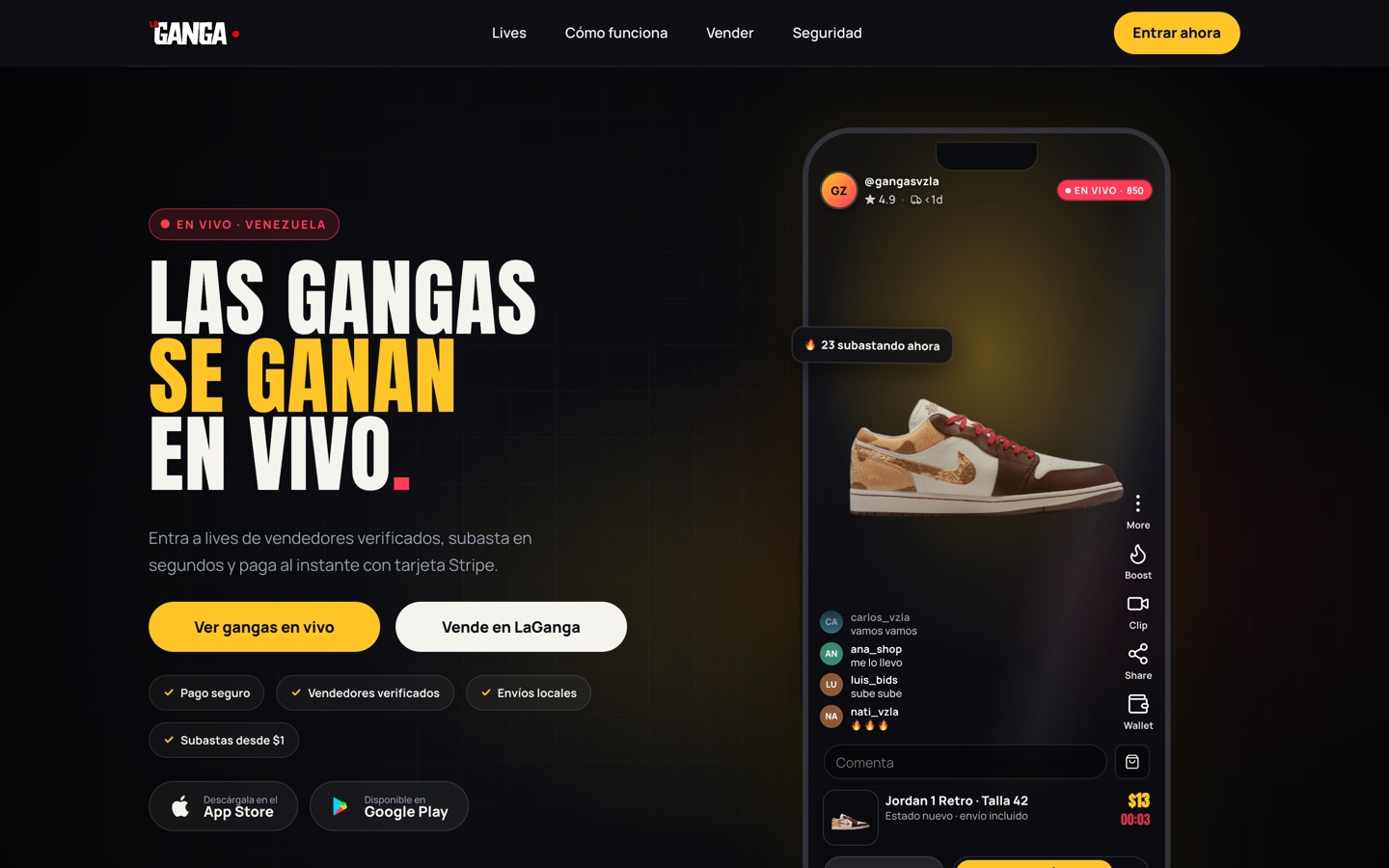
    Live video, live bidding, chat and tracking need servers that keep connections open and apps that cope when a phone loses signal. LaGanga runs live auctions on LiveKit video, with bids sent over WebSockets so every viewer sees the current price. Peyito stores each GPS point on the phone, uploads them in batches when the connection comes back, and cleans the track on the server. Each of these is its own piece of engineering, and it shows up in the scope.

  • Integrations

    Every outside system, such as a bank API, a courier, an identity check or a CRM, is work to connect, test and keep working when the other side changes. Carnelista connects a banking API for C2P payments, a live courier quote from MRW with a fallback when the quote fails, and a Telegram bot for orders. Peyito uses Didit for identity checks.

  • Admin and back-office tools

    Someone has to run the app: approve users, handle refunds, change prices, answer questions. An admin dashboard is usually part of a first version. Custom tools beyond it are features with their own cost. Carnelista's admin has a pricing calculator that works across the USDT and BCV exchange rates and allows for waste and margin before it suggests a price for each cut.

  • Compliance, identity and trust

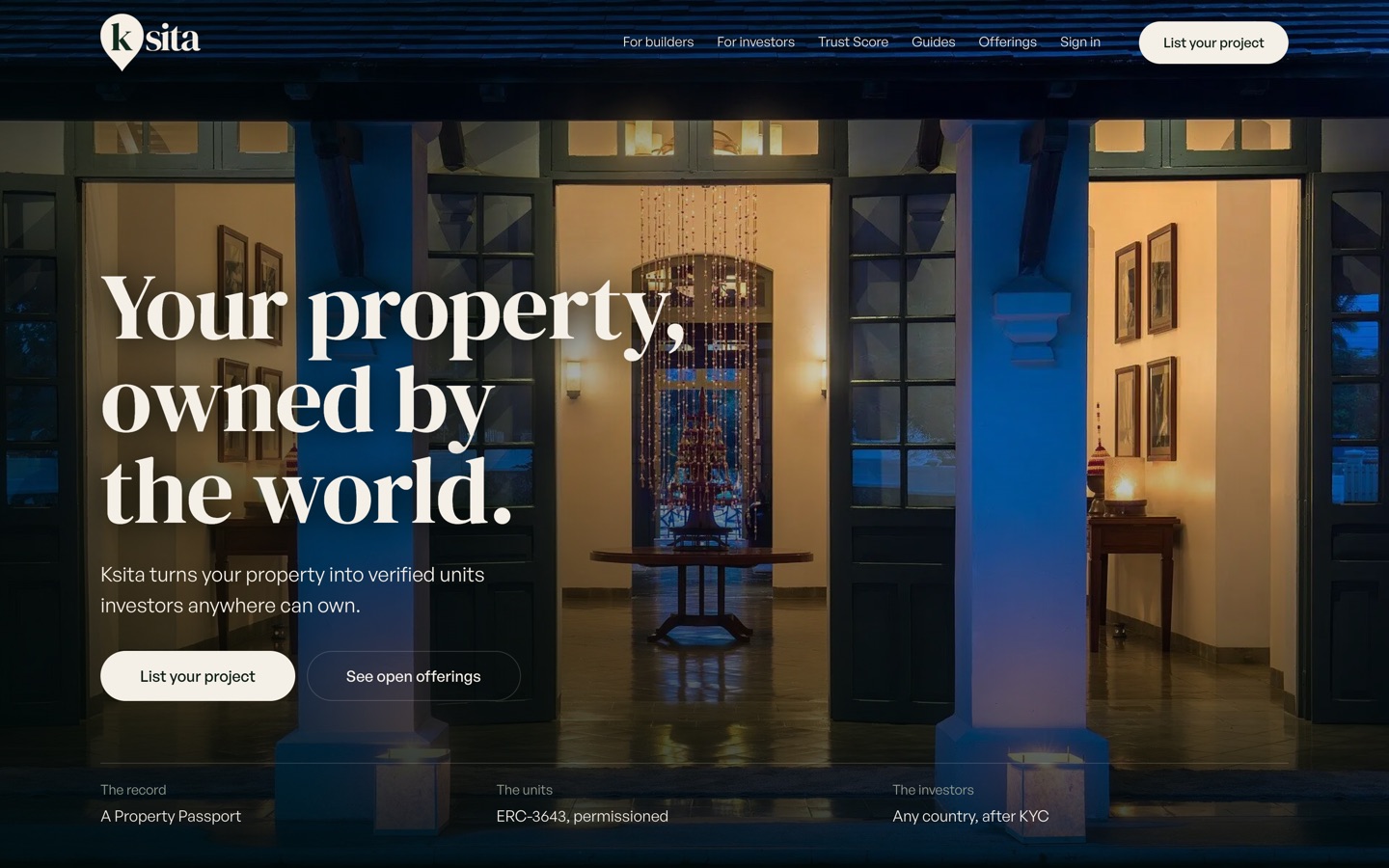
    Apps that hold money, health data or identity documents need more care in design, testing and review. NipponWalk writes workouts to Apple Health through HealthKit. Ksita keeps hashed legal documents and an append-only verification history for each property, with KYC checks for investors.

  • Design depth

    Clear, consistent screens built from proven patterns are part of a first version. Custom illustration, animation and a full brand system are extra design work, and they add time before development starts.

How long does it take to build an app?

Most first versions launch in 6 to 10 weeks, from the scoping call to the App Store and Google Play. Here is where that time goes.

A business website takes 2 to 4 weeks. Bigger apps get their own timeline in the proposal. What keeps a project inside those windows is a scope agreed in writing before the build starts, and quick decisions while it runs.

  1. Understand the business. A free discovery call about your market, users, constraints and what success looks like.
  2. Define the product. The written scope: screens, user roles, integrations, and what waits for version two.
  3. Design the experience. Flows and interfaces clear to users and workable for your team, with your feedback at agreed review points.
  4. Build the system. Production code, integrations, admin tools and infrastructure, built in agreed phases with regular progress updates.
  5. Launch and improve. Release to the App Store and Google Play, then measure what matters and iterate on real usage.

Plan for app store review

Apple and Google review apps before they go live in their stores, and a rejection means a fix and a resubmission. Leave room between the planned release and any date you have promised to customers or investors.

What makes app projects take longer

  • Features added mid-build without taking something else out
  • Waiting on accounts, content or approvals from third parties, such as access to a bank API
  • Decisions that wait days for an answer
  • A second type of user that was not in the original scope

How much does an MVP cost?

An MVP is the first version of a product, built to test with real users. For a mobile MVP, the same numbers apply.

A mobile app MVP starts at $15,000 and most launch in 6 to 10 weeks. Web-only MVPs, such as a SaaS dashboard or a marketplace web app, are quoted after a scoping call, once we know the screens, roles and integrations.

If you only need to explain an idea and collect sign-ups, a business website from $4,000 can be the cheaper first step, and the app can follow once people ask for it. Read how we approach MVP development, or see our app development pricing in Austin and website pricing.

Four example scopes, from our own products

These are not price tiers. They show why two apps that look alike on a phone can be very different projects underneath.

  • A focused iPhone app: NipponWalk

    One user and one fixed walking plan, with voice cues, a Live Activity on the Lock Screen and Apple Health. The hard part was narrow and technical: cues that arrive on time with the screen locked and music playing, which was tested on real devices before any features were built. It is live on the App Store.

  • Local commerce: Carnelista

    A catalog and an order flow for meat delivery in Caracas. Behind the storefront: C2P bank payments recorded at the BCV rate, payment in dollars or bolívares, a pricing calculator that works across two exchange rates, live courier quotes and order handling in Telegram. It is live and takes orders.

  • A two-sided marketplace: Peyito

    Owners, walkers and sitters in Caracas and Medellín; identity checks with Didit and admin approval; live GPS walks that keep working offline; real-time chat; and local payment methods in two countries. Every one of those is its own line in a scope.

  • A product that moves money: VEXPay

    A payments API behind a Next.js site, a hosted checkout and a React Native app. Each payment rail is a separate provider integration, and every business client gets its own API keys and signed webhooks. It is in pilot.

How to lower the cost and time of building an app

Most savings come from the scope, decided before the build starts.

  • One user, one job. Build for the person who gets the most from the product first. A second user type can be served by hand until it is worth its own screens.
  • One codebase for iOS and Android. React Native and Expo cover both, unless a feature truly needs native code.
  • One payment method to start. Use the one your first customers already pay with.
  • Run operations with tools you already have.Carnelista's orders are handled from a Telegram group, with buttons to confirm each order, message the customer on WhatsApp and mark it ready.
  • Use a website where an app is not needed yet. If customers mainly need to find you and get in touch, a fast website does the job for less.
  • Decide quickly. A question that waits a week for an answer is a week on the timeline.
  • Launch to a small group first. Real usage tells you what version two needs.

Red flags in an app development quote

Whoever you hire, check for these before you sign.

  • A fixed price before anyone asks about your users, roles or payments
  • No list of what is out of scope
  • No clear answer on who owns the code when the project ends
  • You never speak to the engineer who will build the app
  • Separate iOS and Android builds for a first version, with no reason given
  • A launch date with no room for App Store and Google Play review

Get a price for your app

Built by operators, not just developers.

We build our own companies, so we understand product, users, payments, operations, launch, analytics and iteration.

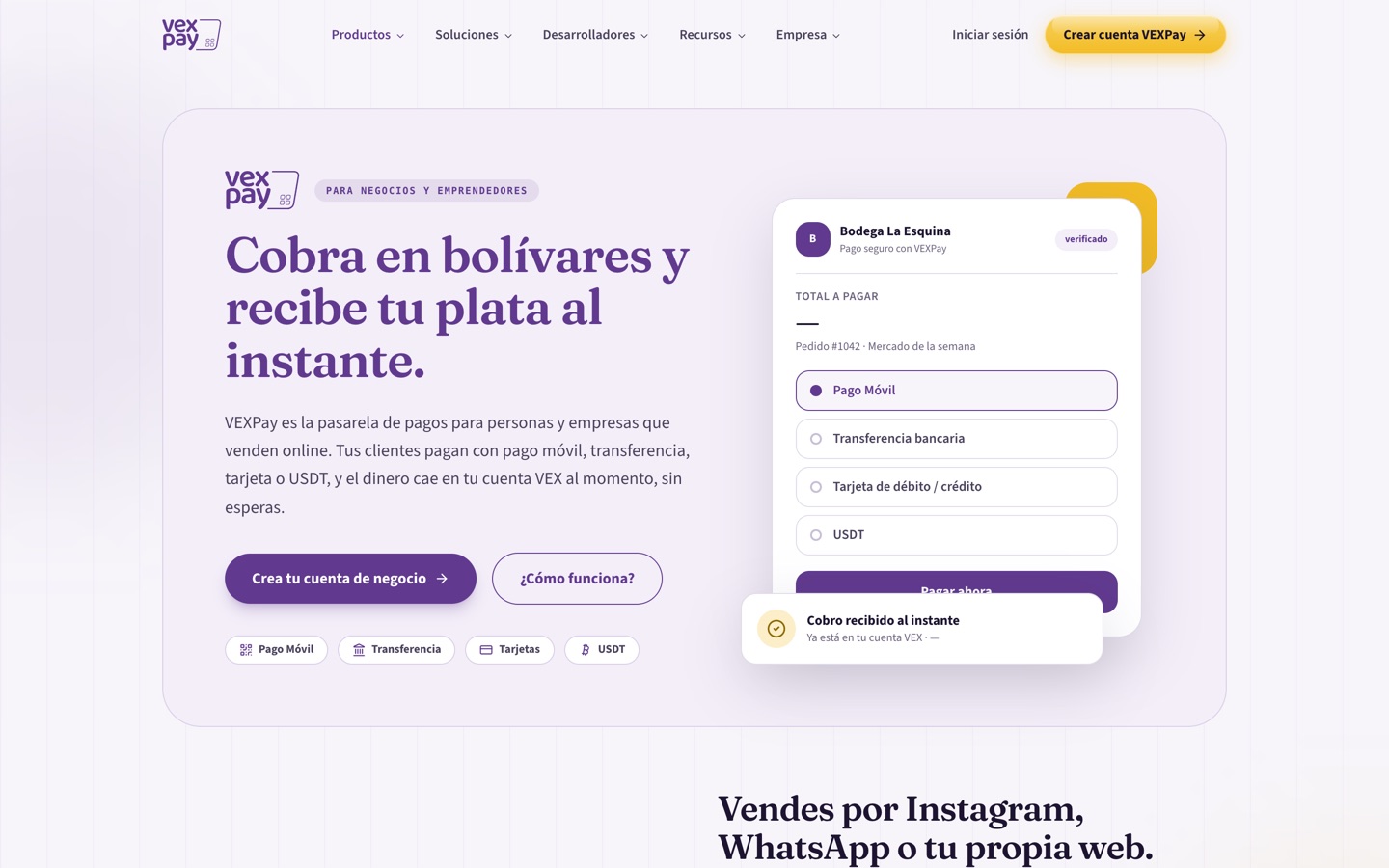
  • VEXPay home page

    VEXPay

    Pilot

    Fintech / Payments, Venezuela and Colombia

    Payments infrastructure for Venezuela and Colombia, letting businesses accept, convert, and settle money through one API, in real-world conditions.

    Visit VEXPay

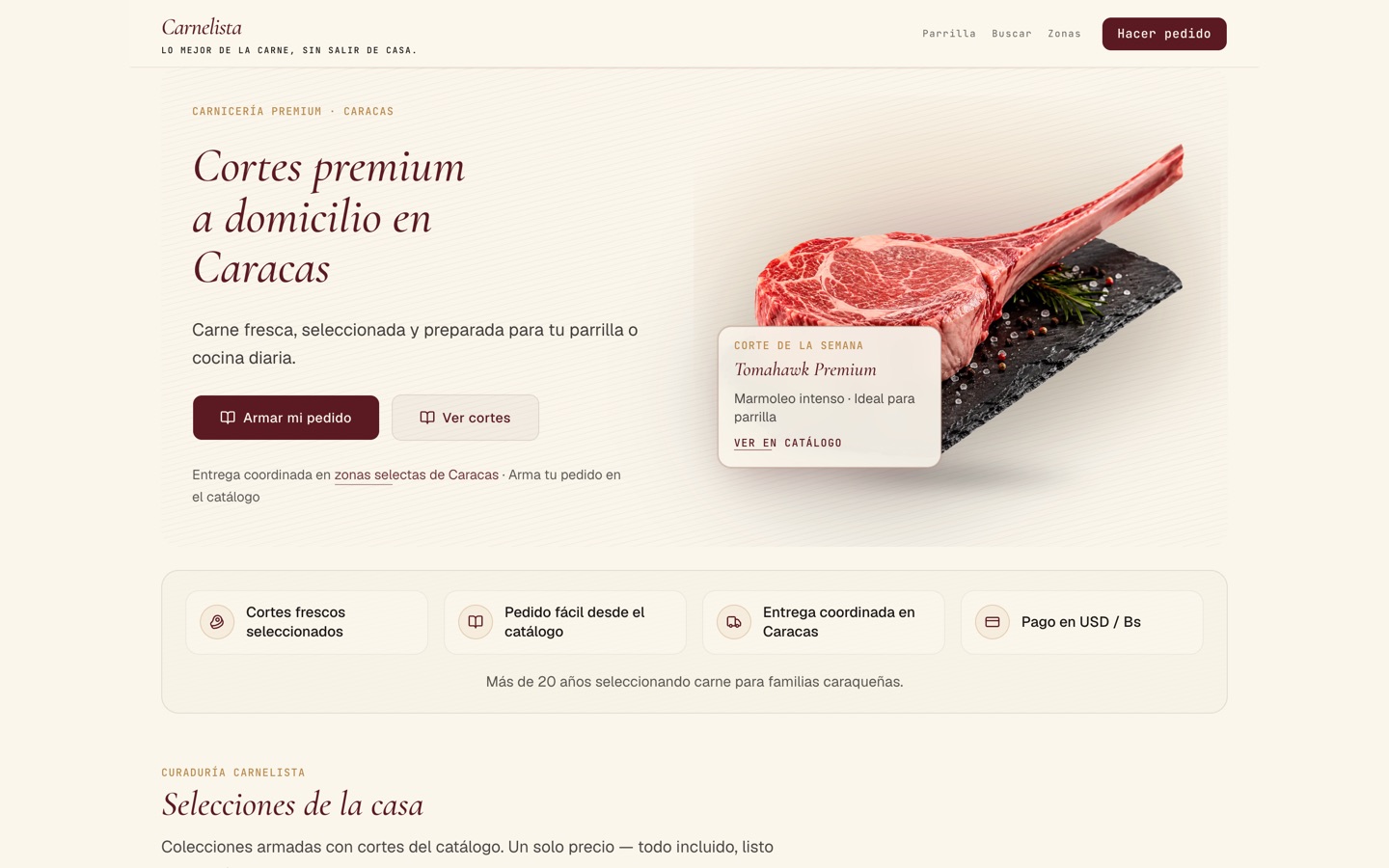
  • Carnelista.com home page

    Carnelista.com

    Live

    Local Commerce, Caracas, Venezuela

    Premium meat delivery and local commerce platform serving Caracas, connecting quality suppliers with customers who expect reliability.

    Visit Carnelista.com

  • Ksita.co home page

    Ksita.co

    Building

    Real Estate / Investment, Global

    Property records and fractional investment: a verified Property Passport for every building, and investment offerings built on that record.

    Visit Ksita.co

  • Peyito.app home page

    Peyito.app

    Building

    Pet Services Marketplace, Latin America

    Marketplace connecting pet owners with trusted dog walkers and sitters, built for convenience, trust, and repeat use.

    Visit Peyito.app

  • LaGanga home page

    LaGanga

    Pilot

    Live Commerce, Venezuela / Latin America

    Spanish-first live auction commerce for Venezuela and LATAM: sellers go live and auction on camera, buyers bid in real time with local payments and payouts.

    Visit LaGanga

  • NipponWalk home page

    NipponWalk

    Live

    Health & Fitness, Global

    Native iOS app for Japanese interval walking: a timer that never misses a pace switch, even with the screen locked and music playing.

    Visit NipponWalk

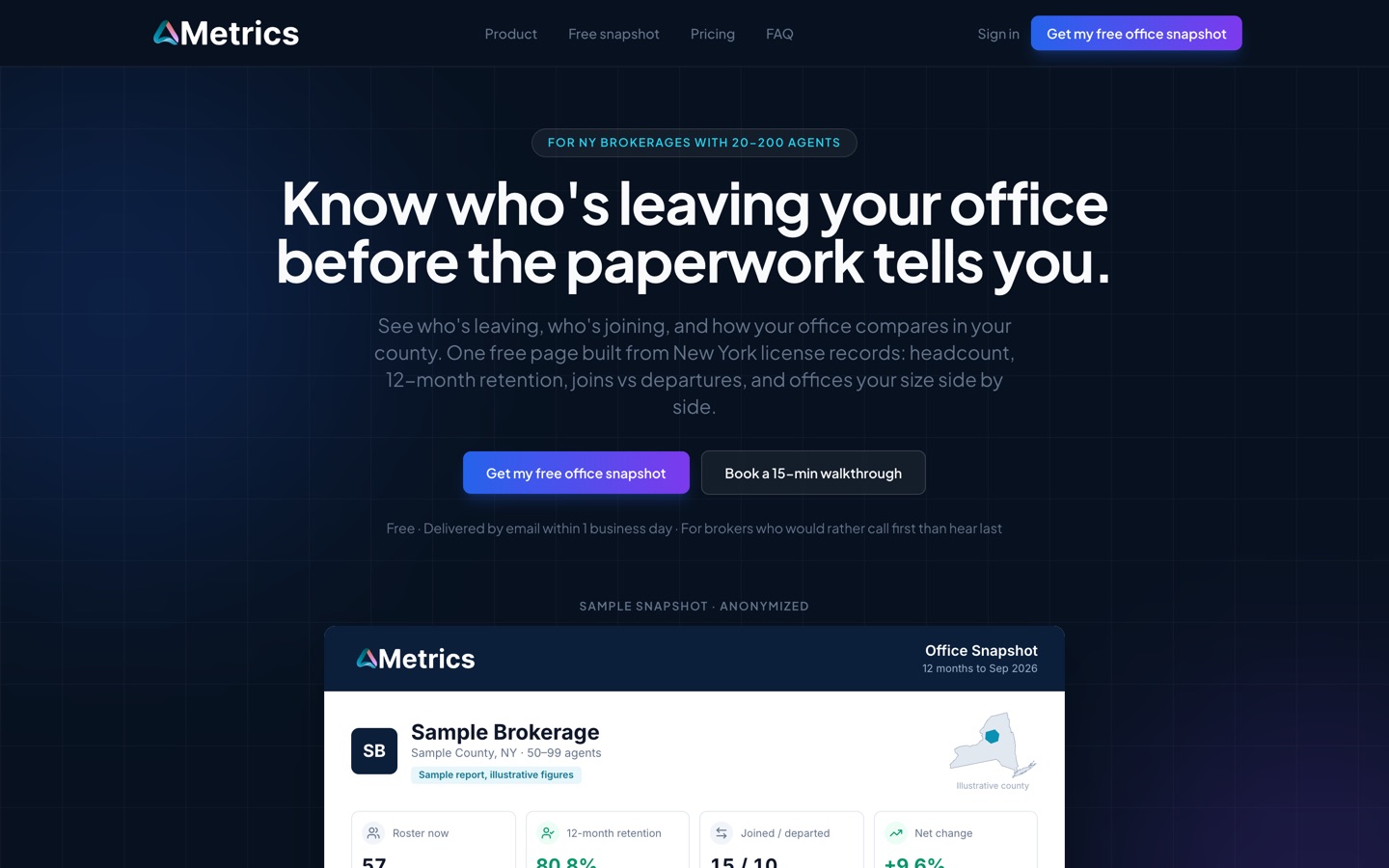
  • AgentMetrics home page

    AgentMetrics

    Live

    Real Estate / SaaS, United States

    Real estate intelligence and agent performance platform, giving brokerages data-driven insights into agent performance and market trends.

    Visit AgentMetrics

Tin Ho Chu, founder of Chu Ventures

Founded by Tin Ho Chu

Software engineer, operator and founder building practical technology companies across fintech, marketplaces, commerce and local services.

“I build companies the same way I build software: start with a real problem, ship fast, learn from users, and compound what works.”
Visit tinho.co

Questions founders ask about app cost

  • How much does it cost to build an app?

    At Chu Ventures, a mobile app's first version starts at $15,000, for iPhone and Android from one codebase. Larger apps are quoted after a scoping call, once we know the screens, the user roles and the integrations.

  • How long does it take to build an app?

    Most first versions launch in 6 to 10 weeks, from the scoping call to the App Store and Google Play. A business website takes 2 to 4 weeks.

  • How much does an MVP cost?

    A mobile app MVP starts at $15,000 and most launch in 6 to 10 weeks. Web-only MVPs, such as a SaaS product or a marketplace web app, are quoted after a scoping call.

  • Should I build for iOS or Android first?

    Usually you do not have to choose. We build both from one React Native and Expo codebase. A native Swift app for iPhone only makes sense when the product depends on iPhone features, as NipponWalk does.

  • What pushes an app above the starting price?

    More user roles, more payment methods or countries, real-time features such as live video or tracking, outside integrations, larger admin tools and compliance work. Each one is scoped and priced before the build starts.

  • Do I need an app or a website?

    If customers mainly need to find you and get in touch, a fast website is often enough and costs less: from $4,000, launched in 2 to 4 weeks. An app earns its place when people use it again and again: ordering, scheduling, tracking or paying.

  • Who will build my app?

    Tin Ho Chu, the founder of Chu Ventures, who designs the scope and writes the code. There is no account manager between you and the engineer.

Get a price for your app.

Tell us what you want to build. After a free scoping call you get a written proposal with the scope, the price and the timeline.

Email
hello@chuventures.com
Phone
+1 (512) 669-9660
Based in
Austin, Texas, United States
Project brief