What MVP development means here

A first version real users can sign up for, use and pay for, with a scope narrow enough to launch in weeks.

An MVP, or minimum viable product, is the smallest version of your product that does one job well enough for real people to use it. It is not a clickable prototype and it is not a slide deck. It is production software with a deliberately narrow scope: the core flow your users came for, the accounts and payments around it, and the admin tools you need to run it on day one.

MVP software development is mostly a scoping problem. The code matters, but the decision that sets your budget and your launch date is what goes into the first version and what waits. That is where we spend the most time with founders, before anyone writes code.

Chu Ventures is a founder-led product studio based in Austin, Texas. You work directly with Tin Ho Chu (Tin Chu), a senior engineer with more than 10 years of experience at The Walt Disney Company, Toptal, TheMessenger.com, Red Ventures and NgageContent, and the former CTO of Corofy. He designs the scope with you and writes the code. There is no account manager between you and the engineer.
MVP development services

The same first-version discipline, applied to the product you need. Each example is a product we build and run ourselves.

  • Mobile app MVPs

    iOS and Android apps built with React Native and Expo, so both platforms ship from one codebase, with native Swift when a feature needs it. A first version starts at $15,000 and most launch in 6 to 10 weeks.

  • SaaS and web app MVPs

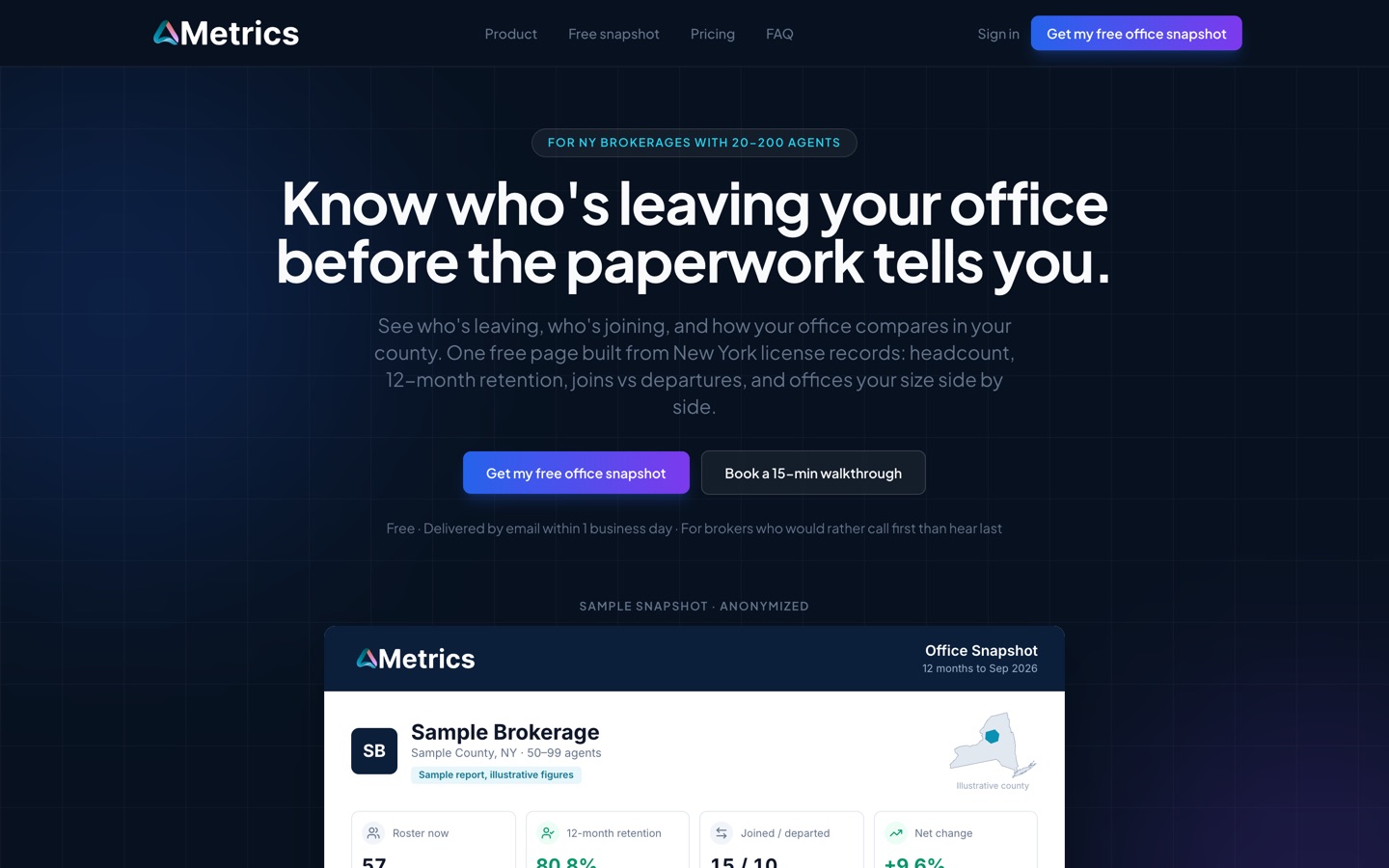
    Web software with accounts, roles, billing and an admin, built on Next.js. AgentMetrics, our real estate SaaS, runs on Next.js and a NestJS GraphQL API with Stripe billing.

  • Marketplace MVPs

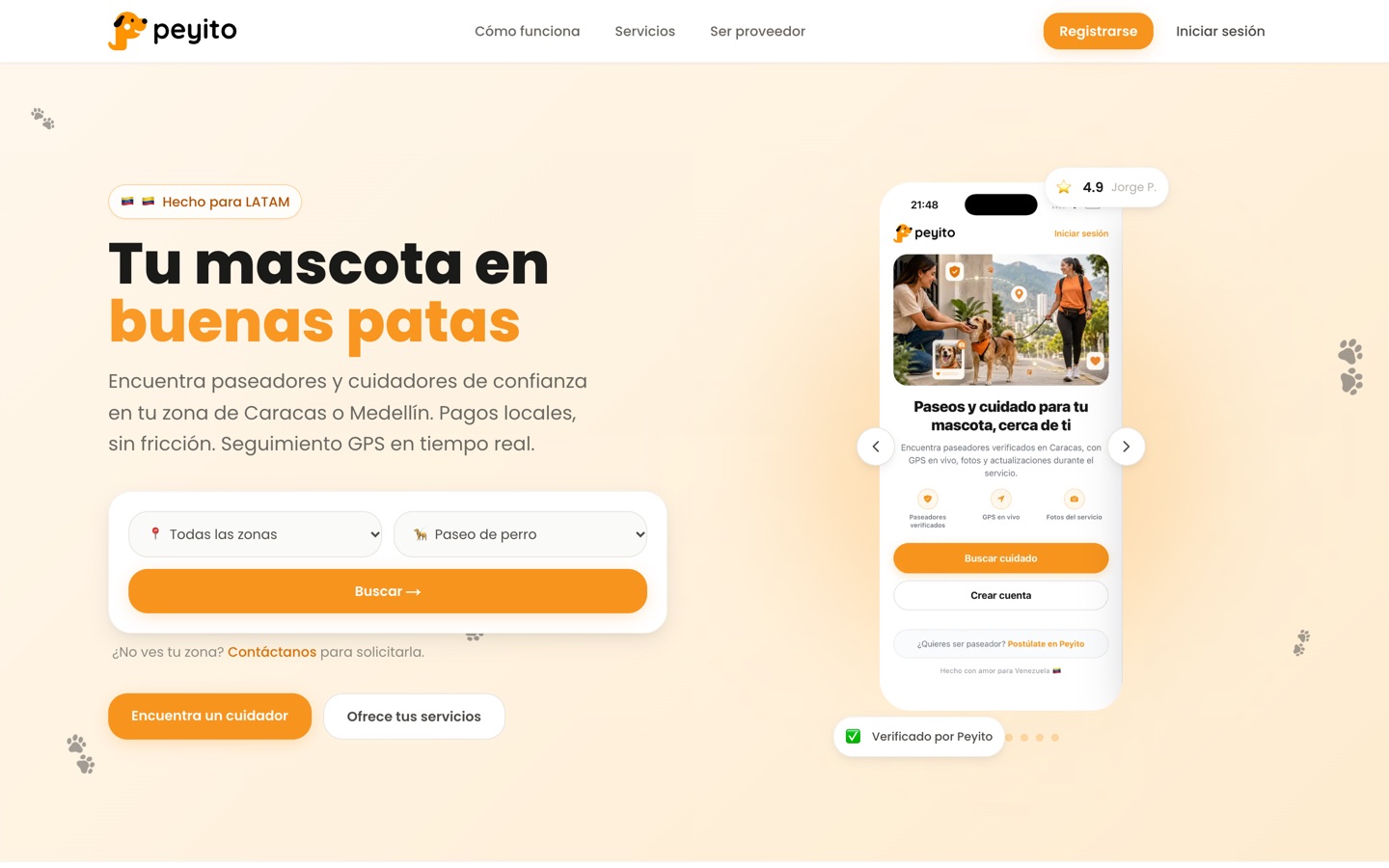
    Two-sided platforms with listings, booking, messaging, reviews and the tools to approve supply. Peyito, our pet care marketplace, checks every walker's identity with Didit, and an admin approves them before they can take a booking.

  • Payments and fintech MVPs

    Products where money moves: checkout, subscriptions, payouts and local payment rails. VEXPay, our payments API for Venezuela and Colombia, covers Pago Móvil, débito inmediato, VPOS card capture, PSE, Nequi, Bre-B and USDT.

  • Real-time and live products

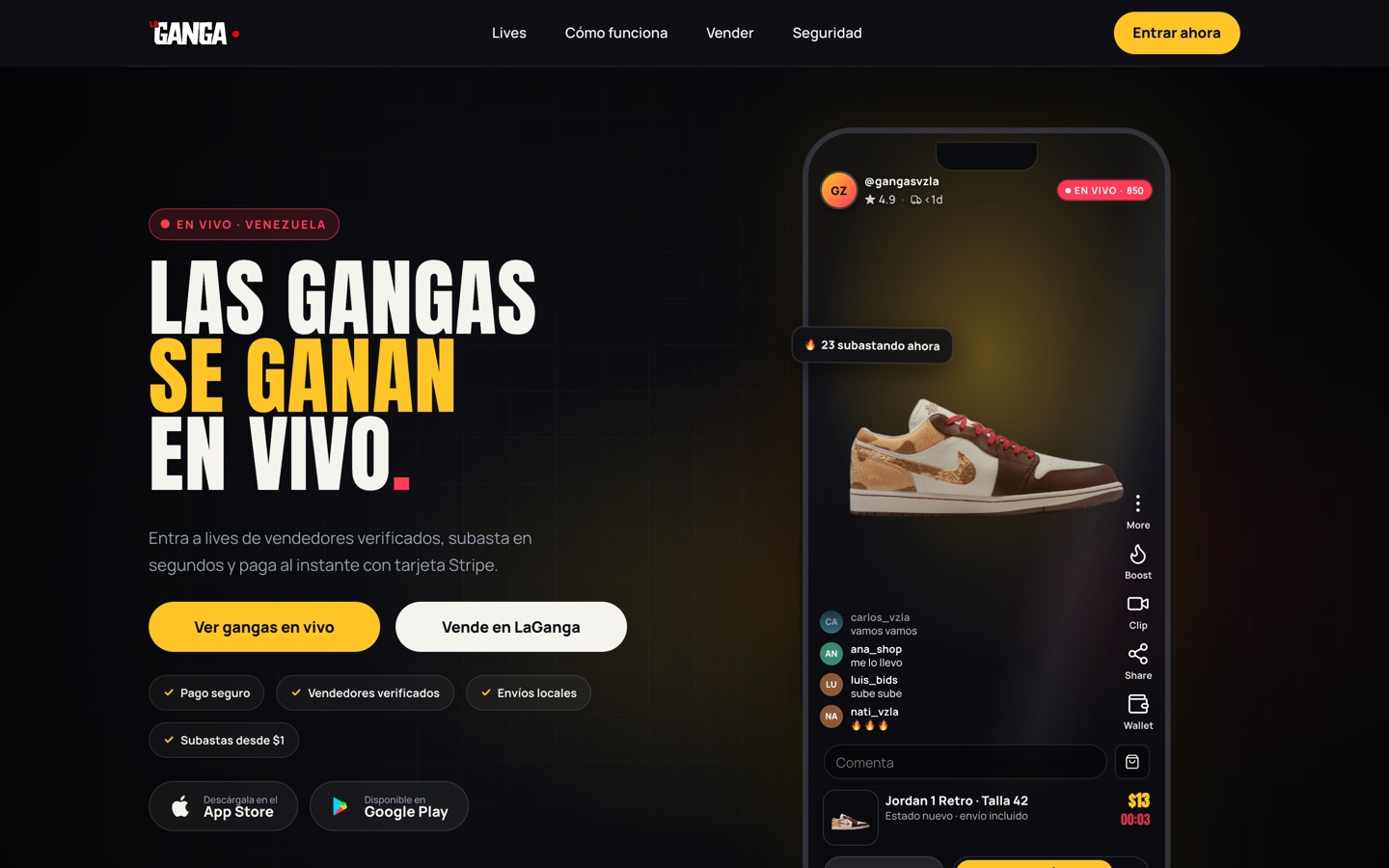
    Live video, bidding, chat and tracking. LaGanga runs live auctions on LiveKit video with bids sent over WebSockets, and Peyito lets owners follow each walk on a live map.

  • Demo products for pilots and partners

    A working product to put in front of a first customer, a pilot partner or investors, scoped so it can become version two instead of being thrown away.

What an MVP costs and how long it takes

Every first version is priced from a written list of screens, user roles and integrations, so you know the number before we start.

Mobile app first version
From $15,000, for iOS and Android from one React Native and Expo codebase
Time to launch
6-10 weeks for most app first versions, from the scoping call to the App Store and Google Play
SaaS, marketplace and web app MVPs
Quoted after a scoping call, once we know the screens, roles and integrations
Launch website
From $4,000, launched in 2-4 weeks, if you need a site before or beside the product

For the longer answer, with what pushes a project above the starting price and how to keep it close, read our guide: how much it costs to build an app, and how long it takes.

What to build first, and what to leave out

Every feature in a first version has to earn its place. The test: does a first user need it to finish the core job, or do you need it to run the business on day one?

A first version usually includes

  • Sign-up, login and user accounts
  • The core flow your users came for
  • Push notifications
  • Payments or subscriptions, when the product charges
  • An admin dashboard to run it
  • Release to the App Store and Google Play, or a live web app

What usually waits for version two

  • A second or third type of user you can serve by hand for now
  • Every payment method: start with the one your first customers already use
  • Reports and dashboards nobody will read in the first month
  • Settings and preferences nobody has asked for
  • Integrations you can replace with a manual step for now
  • Platform-specific features for edge cases

Some things look optional and are not. In a marketplace like Peyito, where owners hand a stranger their dog and often their keys, identity checks and a walk the owner can follow live are the product, not extras. In VEXPay, the payment rails are the product. Scoping is how you tell those apart from the nice-to-haves.

How MVP scoping works

A free conversation first, then a written scope with a price, then the build.

  1. Discovery call. We talk through the business: who the first users are, what they need to do, how money moves and what success looks like. This step is free and does not commit either side.
  2. Written scope. We list the screens, user roles and integrations for the first version, and the things that wait. That list is what the price is based on.
  3. Proposal and agreement. You get a written proposal with scope, milestones, timeline and fees. Work starts once both sides sign it.
  4. Build in phases. We build in agreed phases and share progress regularly, with review points where your feedback goes in.
  5. Launch and handoff. The product goes live, and you receive the source code, documentation and deployment assets.

If something new comes up mid-build, we decide together whether it replaces something in the scope or waits for version two. Changes to the agreed scope go through a change order with an adjusted price and timeline, so neither one moves silently.

Book a free scoping call

From idea to launch, with clarity at every step.

  1. 01

    Understand the business

    Your market, users, constraints and what success looks like.

  2. 02

    Define the product

    Scope, priorities and the first version worth building.

  3. 03

    Design the experience

    Flows and interfaces clear to users and workable for your team.

  4. 04

    Build the system

    Production code, integrations, admin tools and infrastructure.

  5. 05

    Launch and improve

    Go live, measure what matters, iterate on real usage.

What you get at handoff

Once the project is paid in full, the custom work built for your product is yours.

  • Source code for the apps, web app and backend built for your product
  • Documentation for running and extending it
  • Deployment assets, delivered through shared repositories or cloud accounts as agreed
  • Your app in the App Store and Google Play, or your web app live
  • Ongoing maintenance and iteration, if you want them, agreed separately

Chu Ventures keeps ownership of the pre-existing tools and libraries it brings to a project. Everything built specifically for your product is defined in the statement of work and belongs to you.

Tech choices, and why

Widely used tools, so the team you hire after the MVP can pick up the code.

React Native and Expo for mobile

One codebase ships to iPhone and Android, so a two-platform first version is one build to scope, test and maintain instead of two. VEXPay, Peyito and LaGanga all run on React Native and Expo.

Native Swift when the feature needs it

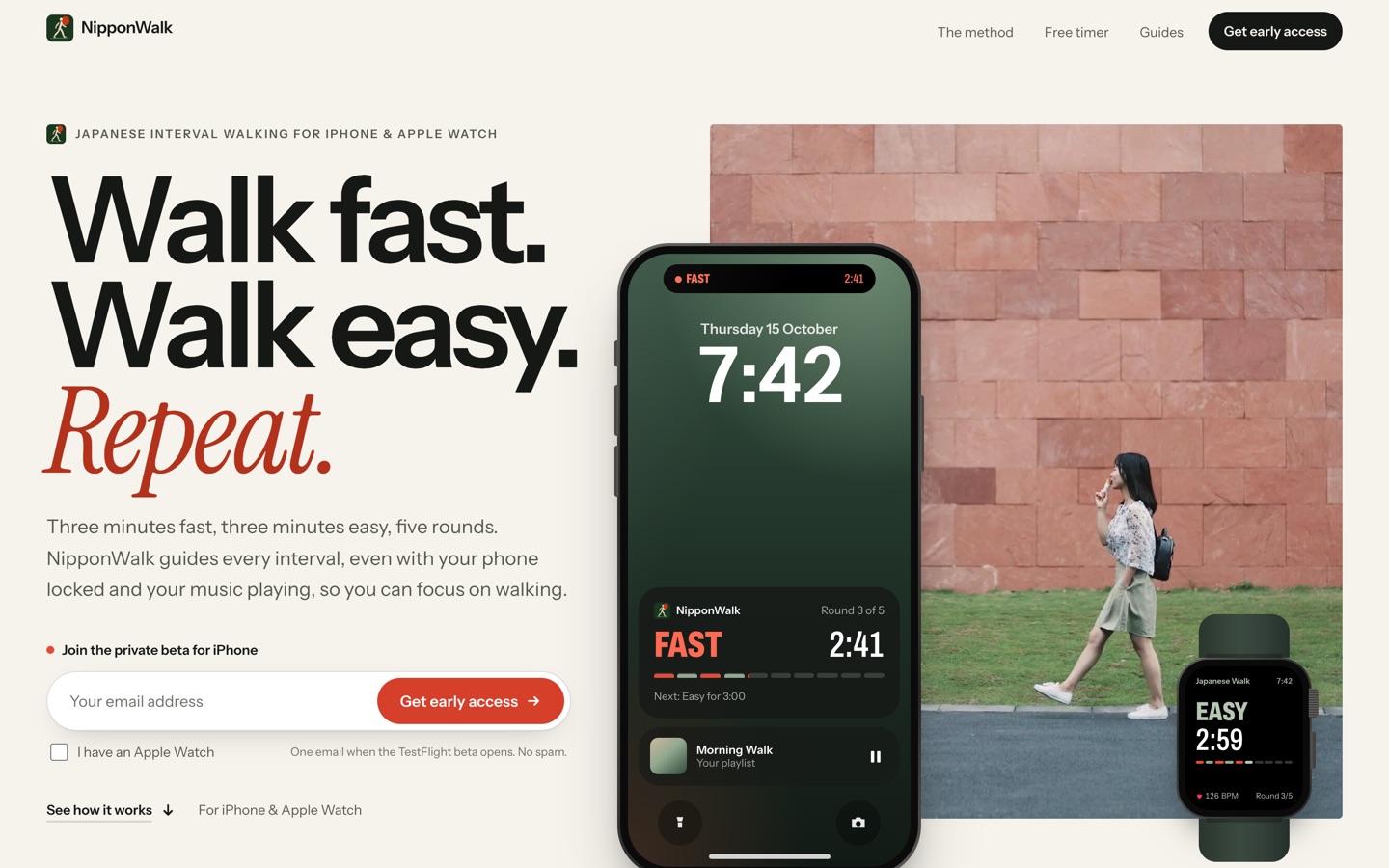
NipponWalk, our interval walking app, is native Swift and SwiftUI because its voice cues have to arrive on time with the iPhone locked and music playing, and each walk is saved to Apple Health through HealthKit. It is live on the App Store.

Next.js for the web

Marketing sites, web apps and admin dashboards run on Next.js. Carnelista, our meat delivery store in Caracas, and AgentMetrics both run on it.

A typed backend that can grow

For the backend we use NestJS with PostgreSQL, or Supabase, depending on the product. VEXPay's payments API runs on NestJS and PostgreSQL with Supabase. Carnelista runs on Supabase with row-level security.

How to cut MVP cost and time

Most savings come from decisions made before the build starts.

  • Pick one user and one job. Every extra type of user adds its own screens, permissions and support.
  • Start with one payment method. Use the one your first customers already pay with, and add others when they ask.
  • Run some operations by hand.Carnelista's orders are handled from a Telegram group, with buttons to confirm each order, message the customer on WhatsApp and mark it ready.
  • Use one codebase for iOS and Android unless a feature truly needs native code.
  • Decide quickly. A question that waits a week for an answer is a week added to the timeline.
  • Launch to a small group first. Real usage tells you what version two needs.

Red flags when hiring an MVP development company

Whoever you hire, these are worth a second look before you sign.

  • A price before anyone has asked who your users are or how money moves
  • No written scope, or a scope with no list of what is out
  • You never speak to the person writing the code
  • A stack chosen because it is new, not because it fits the product
  • No clear answer on who owns the code when the project ends
  • A proposal that treats the first version as the whole product

MVP development in your city

We work remotely with founders anywhere in the U.S. and Latin America. These cities have their own pages.

Built by operators, not just developers.

We build our own companies, so we understand product, users, payments, operations, launch, analytics and iteration.

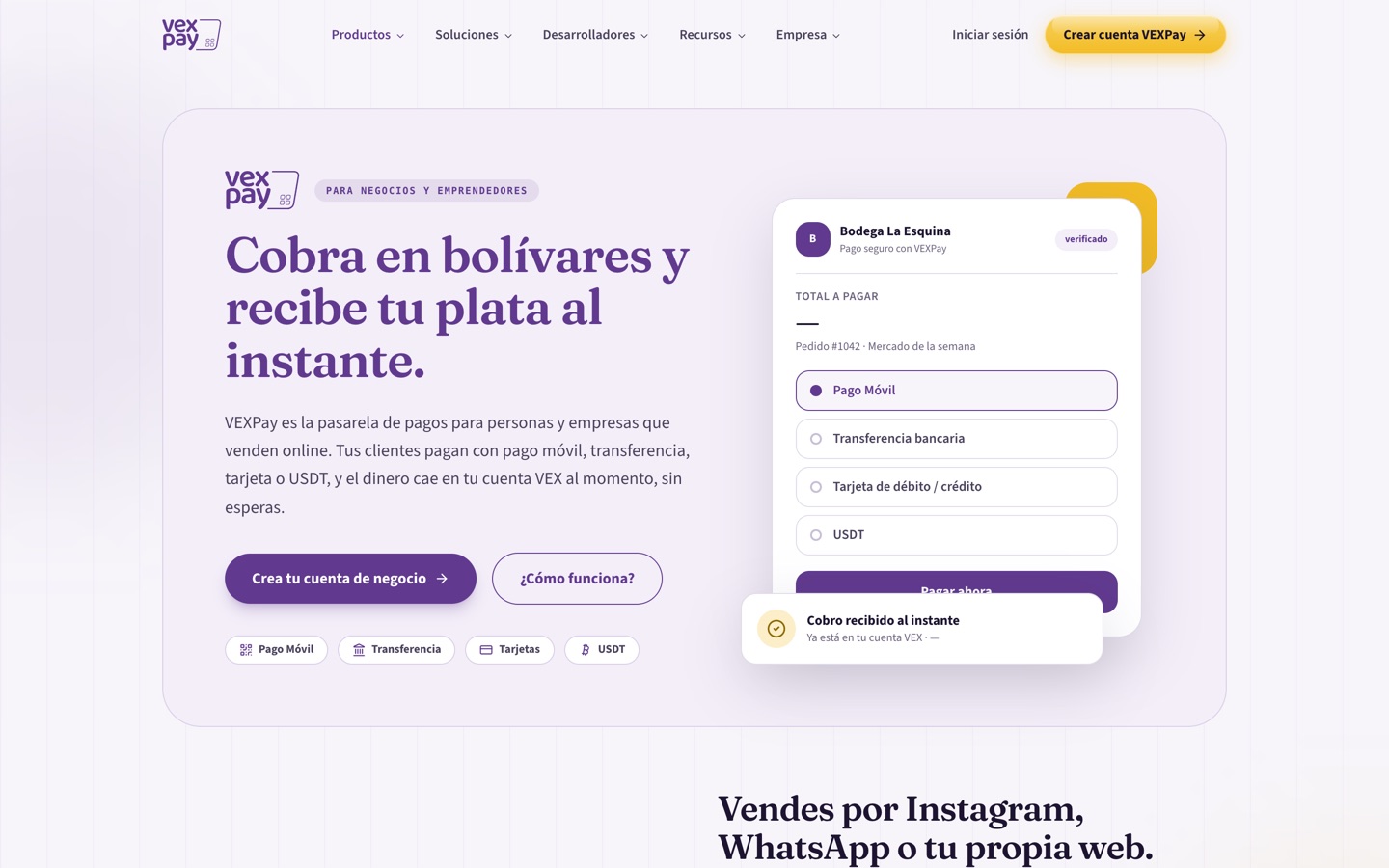
  • VEXPay home page

    VEXPay

    Pilot

    Fintech / Payments, Venezuela and Colombia

    Payments infrastructure for Venezuela and Colombia, letting businesses accept, convert, and settle money through one API, in real-world conditions.

    Visit VEXPay

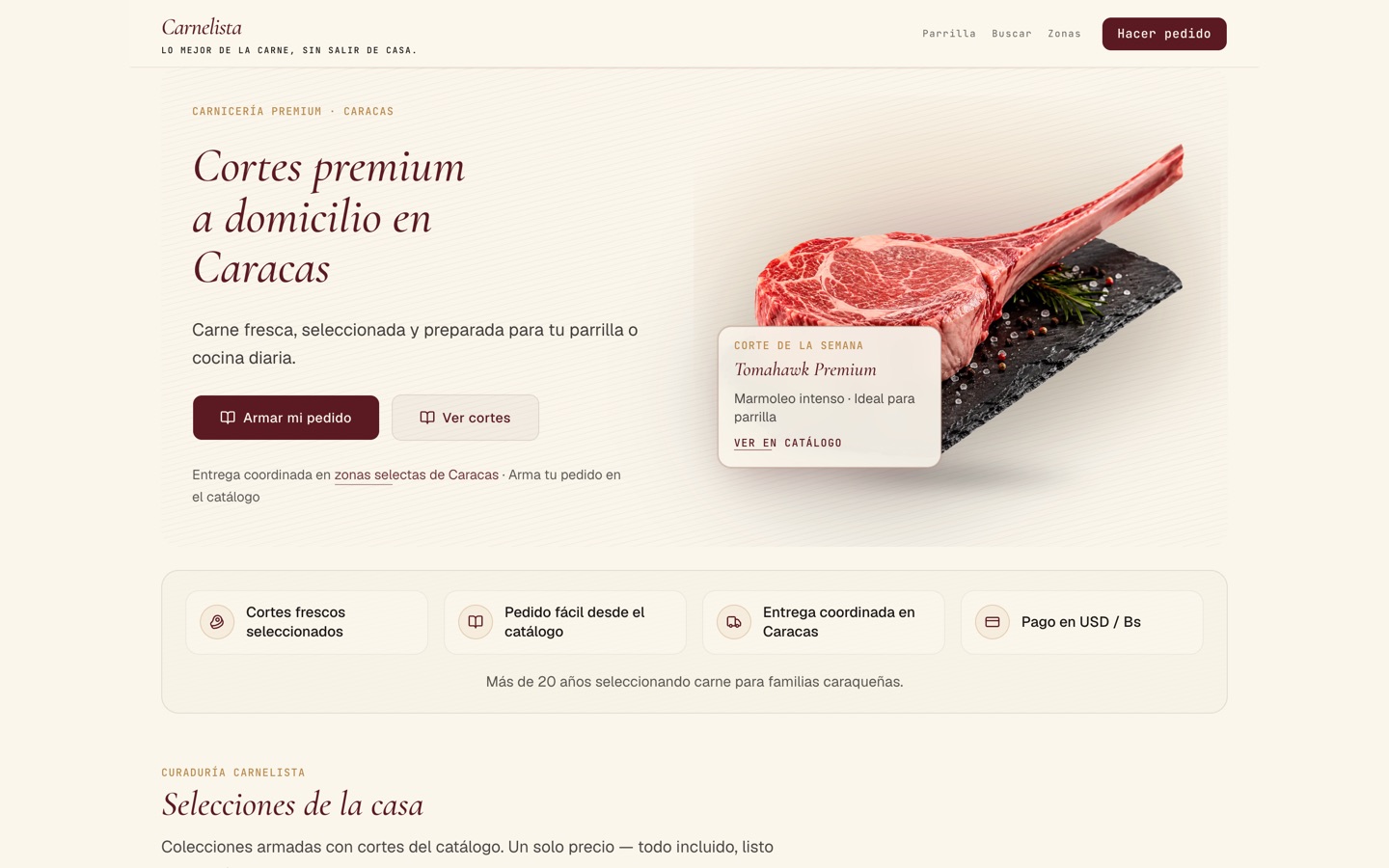
  • Carnelista.com home page

    Carnelista.com

    Live

    Local Commerce, Caracas, Venezuela

    Premium meat delivery and local commerce platform serving Caracas, connecting quality suppliers with customers who expect reliability.

    Visit Carnelista.com

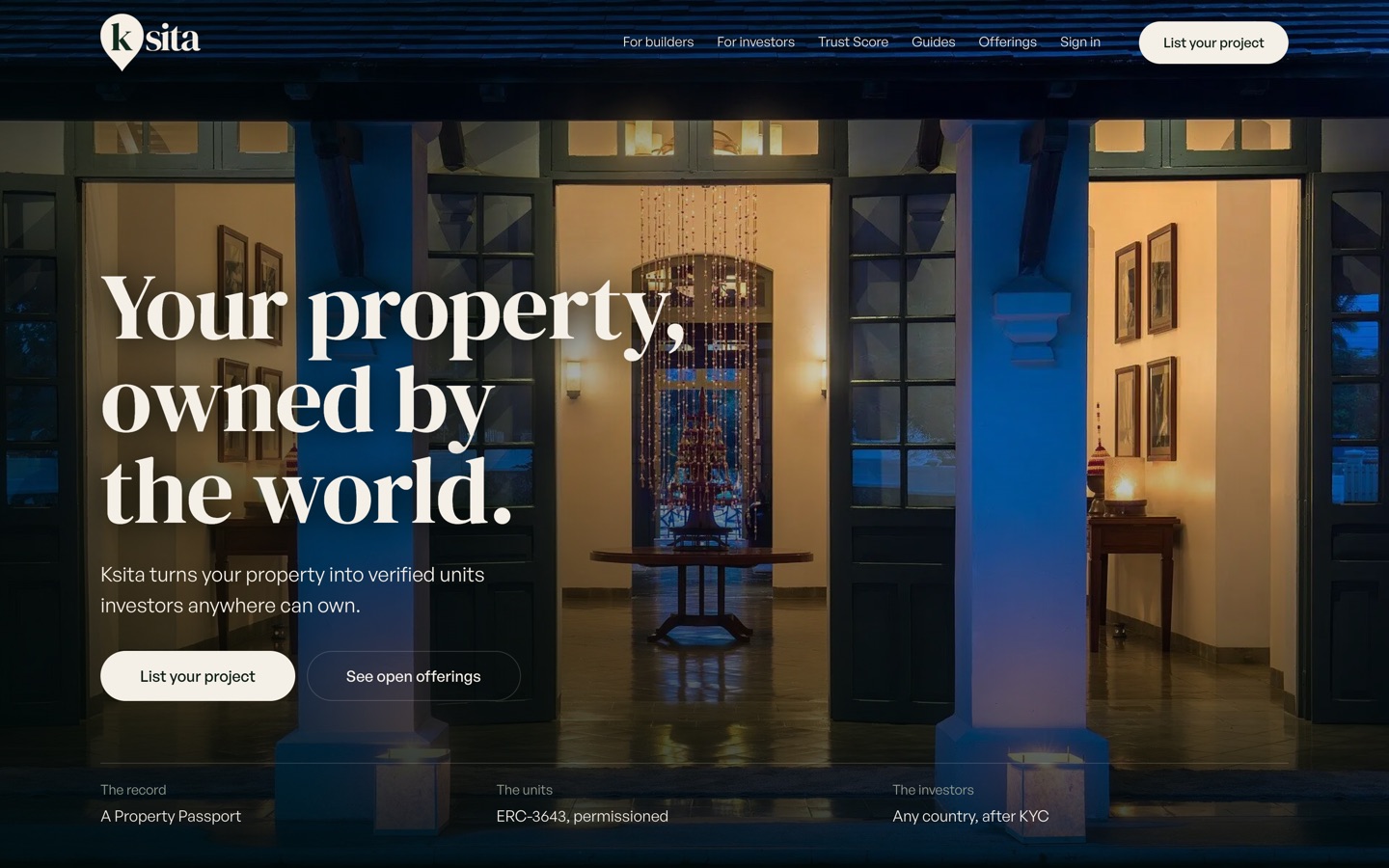
  • Ksita.co home page

    Ksita.co

    Building

    Real Estate / Investment, Global

    Property records and fractional investment: a verified Property Passport for every building, and investment offerings built on that record.

    Visit Ksita.co

  • Peyito.app home page

    Peyito.app

    Building

    Pet Services Marketplace, Latin America

    Marketplace connecting pet owners with trusted dog walkers and sitters, built for convenience, trust, and repeat use.

    Visit Peyito.app

  • LaGanga home page

    LaGanga

    Pilot

    Live Commerce, Venezuela / Latin America

    Spanish-first live auction commerce for Venezuela and LATAM: sellers go live and auction on camera, buyers bid in real time with local payments and payouts.

    Visit LaGanga

  • NipponWalk home page

    NipponWalk

    Live

    Health & Fitness, Global

    Native iOS app for Japanese interval walking: a timer that never misses a pace switch, even with the screen locked and music playing.

    Visit NipponWalk

  • AgentMetrics home page

    AgentMetrics

    Live

    Real Estate / SaaS, United States

    Real estate intelligence and agent performance platform, giving brokerages data-driven insights into agent performance and market trends.

    Visit AgentMetrics

Tin Ho Chu, founder of Chu Ventures

Founded by Tin Ho Chu

Software engineer, operator and founder building practical technology companies across fintech, marketplaces, commerce and local services.

“I build companies the same way I build software: start with a real problem, ship fast, learn from users, and compound what works.”
Visit tinho.co

MVP development questions

  • How much does MVP development cost?

    A mobile app first version starts at $15,000. SaaS, marketplace and other web MVPs are quoted after a scoping call, once we know the screens, the user roles and the integrations. You get the price in writing before work starts.

  • How long does it take to build an MVP?

    Most mobile app first versions launch in 6 to 10 weeks, from the scoping call to the App Store and Google Play. A launch website takes 2 to 4 weeks. Larger scopes get their own timeline in the proposal.

  • Do you build MVPs for iOS, Android or the web?

    All three. Mobile apps use React Native and Expo so one codebase ships to iPhone and Android, with native Swift when a feature needs it. Web apps and admin dashboards use Next.js.

  • Do I need an MVP or just a website?

    If you need to explain an idea and collect sign-ups, a launch website from $4,000 is often enough to start. An MVP earns its place when people need to do something in the product: book, order, pay, track or manage. The scoping call is where we decide which one fits.

  • Who will I work with?

    Tin Ho Chu, the founder, who designs the scope and writes the code. There is no account manager between you and the engineer.
  • Who owns the code?

    You do, once the project is paid in full: the custom work built for your product is yours, as set out in the statement of work. Chu Ventures keeps the pre-existing tools and libraries it brings to the project.

  • Do you work with founders outside Texas?

    Yes. Chu Ventures is based in Austin, Texas, and works with founders remotely across the U.S. and Latin America, in English or Spanish.

  • What happens after launch?

    You receive the source code, documentation and deployment assets. If you want us to keep improving the product, ongoing maintenance and iteration are agreed separately.

Start your MVP.

Tell us what you want to build and who it is for. We will help you define the first version and a realistic path to launch.

Email
hello@chuventures.com
Phone
+1 (512) 669-9660
Based in
Austin, Texas, United States
Project brief